
The War Stories We Carry With Us


A little while ago, I wrote to my email list about my fascination with the Second World War.
It is an era I return to again and again in my writing, not simply because of the enormous events that shaped the world, but because of the ordinary lives caught up in them.
The families separated, the unexpected romances, the friendships, the fear, the resilience, and the way life somehow continued through it all.
I asked whether you shared that fascination. I wasn't quite prepared for the response.
My inbox filled with stories. Some were memories passed down by parents and grandparents. Others came from readers who had grown up in the immediate aftermath of the war, when its presence could still be felt everywhere.
Many of these stories are deeply personal, so I’ve chosen not to include the names of those who shared them with me. Instead, I hope to share a small selection here while respecting the privacy of the families behind them.
Reading them reminded me that history doesn't live only in books, museums and archives. It lives in families, too.
Memories From The Home Front
One reader told me that her grandmother still had an Anderson shelter at the bottom of her garden when she was growing up. Years after it had served its original purpose, the grandchildren used it as somewhere to play.
Her father made sure his children watched war programmes and took them to the Cenotaph on Remembrance Sunday. He wanted them to understand, she said, "the cruelty, the sacrifices made, and the futility of it."
Another reader's connection began even earlier. She was born in Sale in the middle of the war, while her mother, frightened by the possibility of bombing, tried to hold a basin over her head.
Her uncle later died from tropical ulcers while working on the Burma-Siam Railway.
These are such small, vivid details. A basin held over a frightened mother's head. An old shelter becoming a children's den.
They are the sort of details that bring history to life for me.
The stories our parents and grandparents told
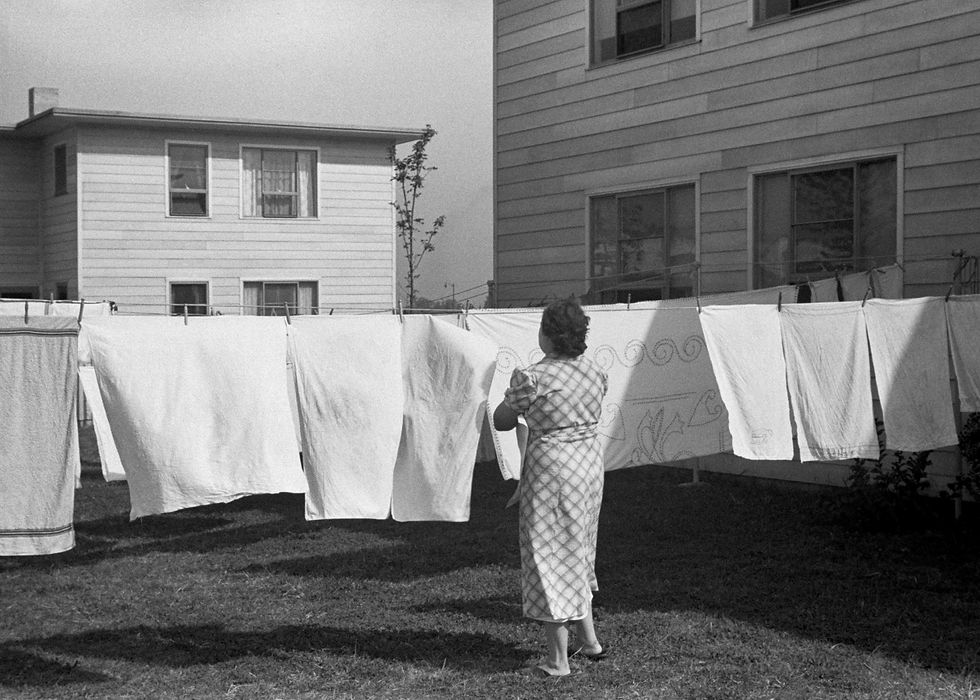
Again and again, you wrote to me about the stories that had been passed down through your families.
One reader told me that her 98-year-old mother and 100-year-old aunt still talk about the war. Their more recent memories may have faded, but they can remember going dancing with soldiers in Seaford as though it happened yesterday.
Their grandfather had built an air-raid shelter in the garden. An uncle came over from Canada, was billeted in Seaford and ended up marrying their mother's sister.
Another reader wrote about a grandfather who joined the Royal Navy at only fifteen, apparently lying about his age because, as he later told her, he wanted a proper bed to sleep in.
By the outbreak of war he was a Chief Petty Officer aboard HMS Afridi. When the ship was torpedoed in the North Sea in May 1940, he was one of just twenty survivors.
His granddaughter remembers being told that his thick black hair turned white after he jumped into the freezing sea, and remained white for the rest of his life.
It is extraordinary to think that stories like these are still sitting within families, passed from one generation to another.
Lives changed by war
Of course, not all of the stories ended when peace was declared.
One of the most moving responses I received came from a reader whose Canadian father fought in Italy.
Her mother was just sixteen when she first met him while walking her dogs along the seafront. He followed her home, and, as his daughter rather wonderfully put it, "fate was sealed."
They married in June 1945, and he remained in England after the war. But what his family didn't fully understand at the time was how deeply his experiences had affected him. He had suffered a mental breakdown following the Battle of Monte Cassino and had been hospitalised in North Africa. His daughter only learned the extent of what had happened to him years later.
Another reader told me simply that her father had been a prisoner of the Japanese. After being rescued, he eventually left Britain and made a new life in South Africa.
Perhaps this is one of the reasons the period continues to fascinate so many of us.
The war ended in 1945. Its effects did not.
They travelled home with the people who had lived through it and, in many cases, became part of the lives of their children too.
The extraordinary within the ordinary
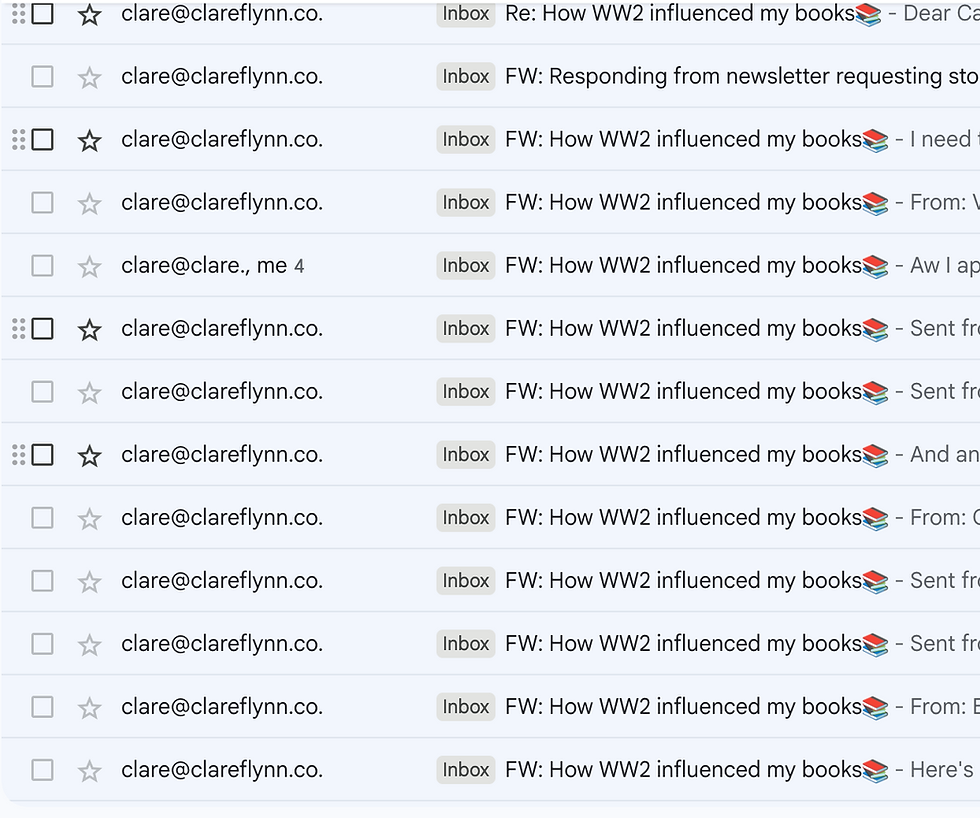
As you can see, I could share so many more stories. These were just the beginning of the number of responses that came through!
I heard about relatives who served in Burma and the Philippines. A woman who worked at Bletchley Park but didn't speak about it until she was in her eighties. A family friend who revealed, only after the Official Secrets Act allowed him to do so, that he had worked for MI6 during the war.
Military families spanned generations and continents. There were stories of migration, bereavement and survival.
And there were love stories.
Perhaps that last part shouldn't surprise me, given the books I write!
But what struck me most was how rarely these memories fitted neatly into the grand version of history we learn at school. They were messy and intimate. Sometimes funny. Sometimes terribly sad. They were about people.
And that, I think, is why I find myself returning to this period in my novels.
Historical fiction gives us the opportunity to look beyond dates, battles and political decisions and imagine what it might actually have felt like to be there. To fall in love. To lose someone. To wait for a letter. To leave home. To carry on with ordinary life while extraordinary things were happening around you.
Reading your messages reminded me just how many of those stories are still among us.
Keeping the stories alive
There was one line in a reader's email that stayed with me after I'd finished reading the responses.
She thanked me for inviting people to share their stories and wrote:
"It's a wonderful way to keep these memories alive."
I think she is right.
As the generation that experienced the Second World War becomes smaller, more and more of these memories belong to their children, grandchildren and great-grandchildren.
Perhaps preserving them doesn't always mean writing a history book or creating an archive.
Sometimes it simply means telling the story again.
So thank you to everyone who wrote to me. I have kept your names private here, but I hope you know how much I appreciated being trusted with these pieces of your family histories.
And if you have a wartime story in your own family that you haven't shared with me yet, I'd still love to hear it.
However ordinary you think it is. Sometimes those are the stories worth remembering most.
If you’d like to be part of conversations like these, I’d love to have you as a subscriber to my newsletter. You’ll receive a free short story when you join, along with the chance to share your own stories and join in with future discussions.
Just scroll down and fill in the form! And you're in.
Or, if this has put you in the mood for a little time travel, you can explore my historical novels, set during the Second World War in locations across the globe.
Happy reading,
Clare x

Comments